Kunjabati Homestay
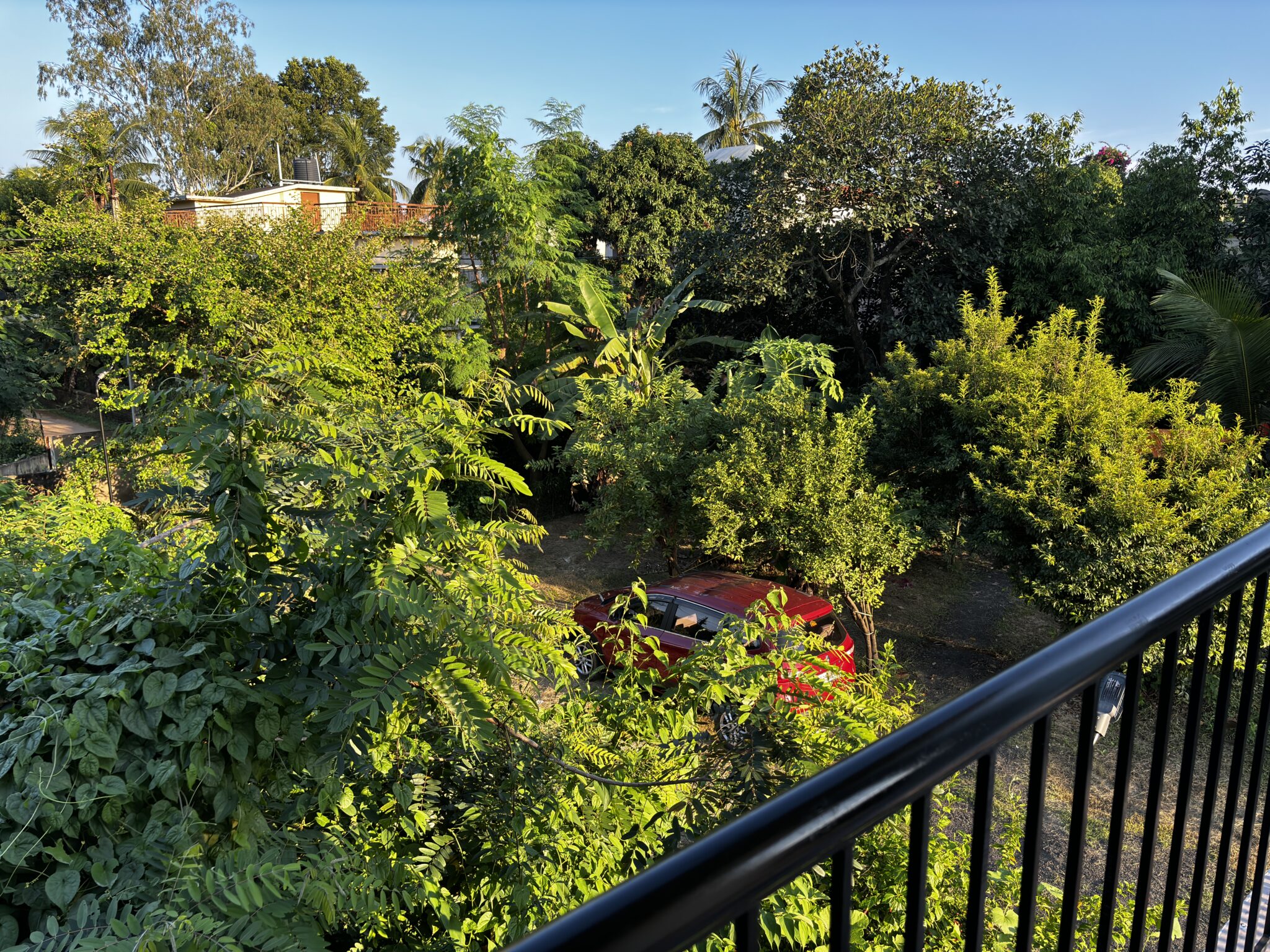
Experience the warmth of a cozy Santiniketan homestay, surrounded by art, culture, and nature. surrounded by art, culture, and nature.
The Story Behind the Stay
Situated in Santiniketan, our homestay began with a simple dream—to create a place where people can relax, breathe, and enjoy Bengal’s culture. This house was our family’s, inspired by Rabindranath Tagore’s ideas. Friends, artists, and travelers found peace here. We wanted to keep that spirit alive. So, we opened our home—not as a hotel, but a cozy stay with simple Bengali food and a calm vibe.
Our Rooms
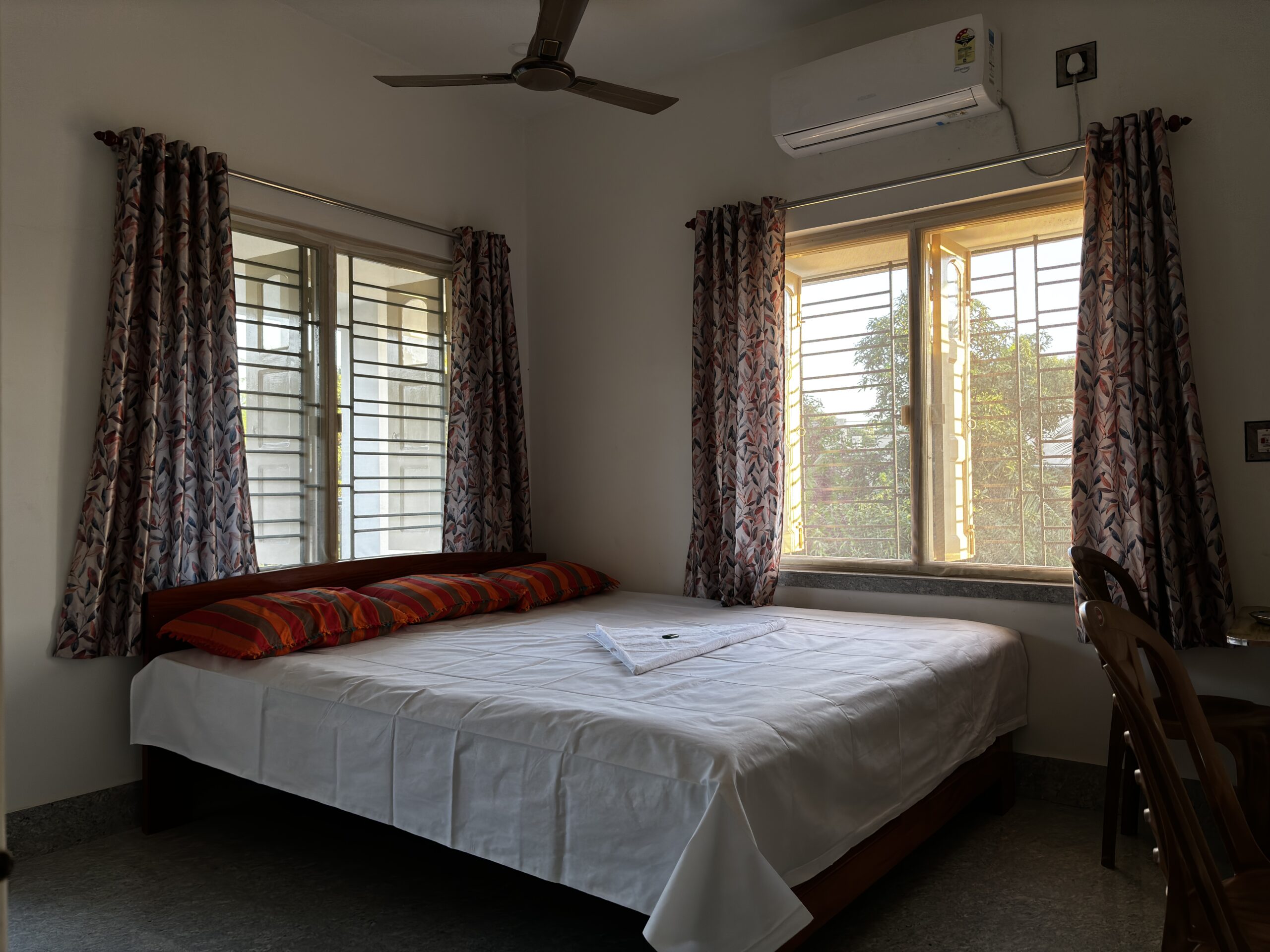
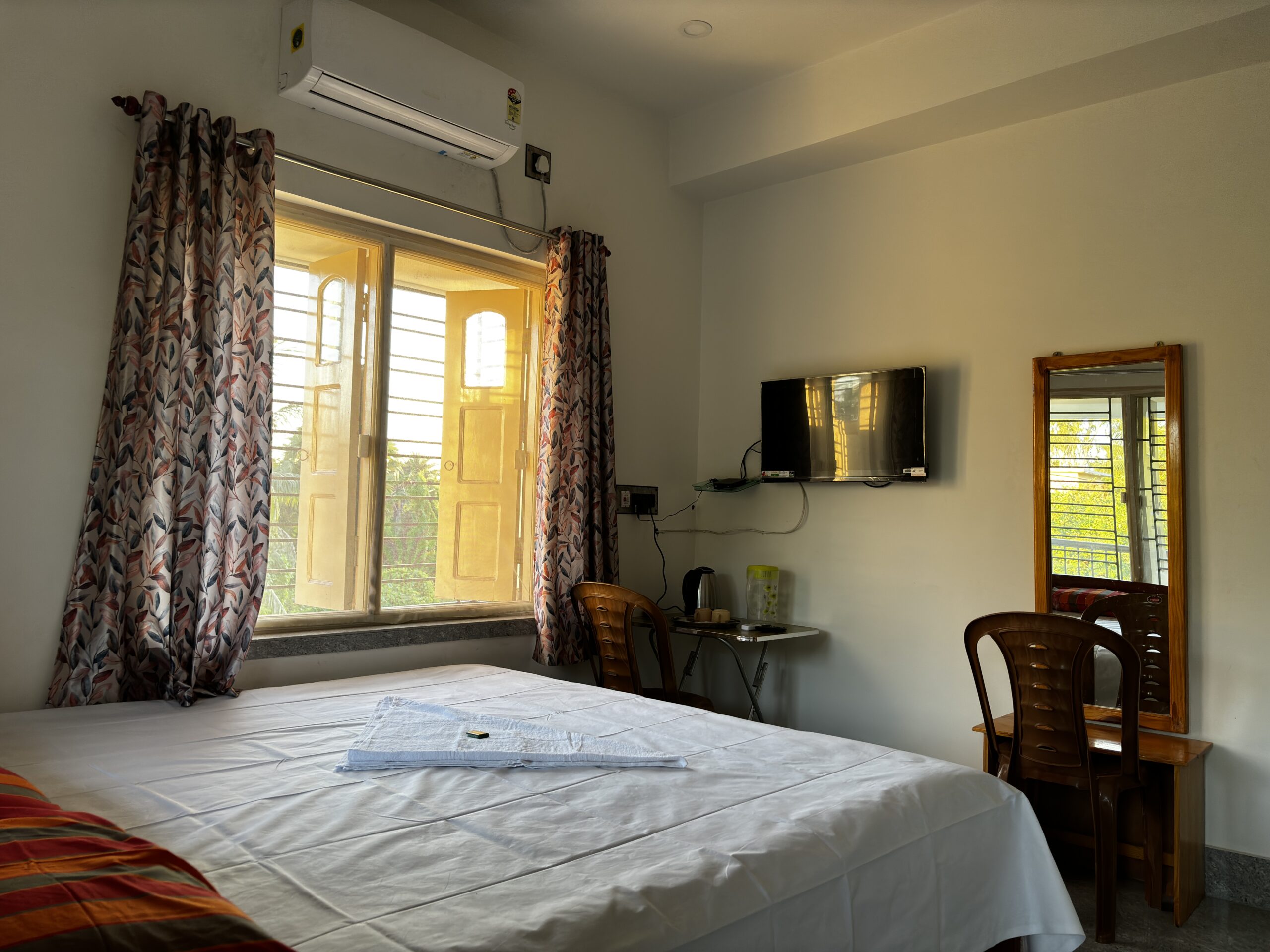
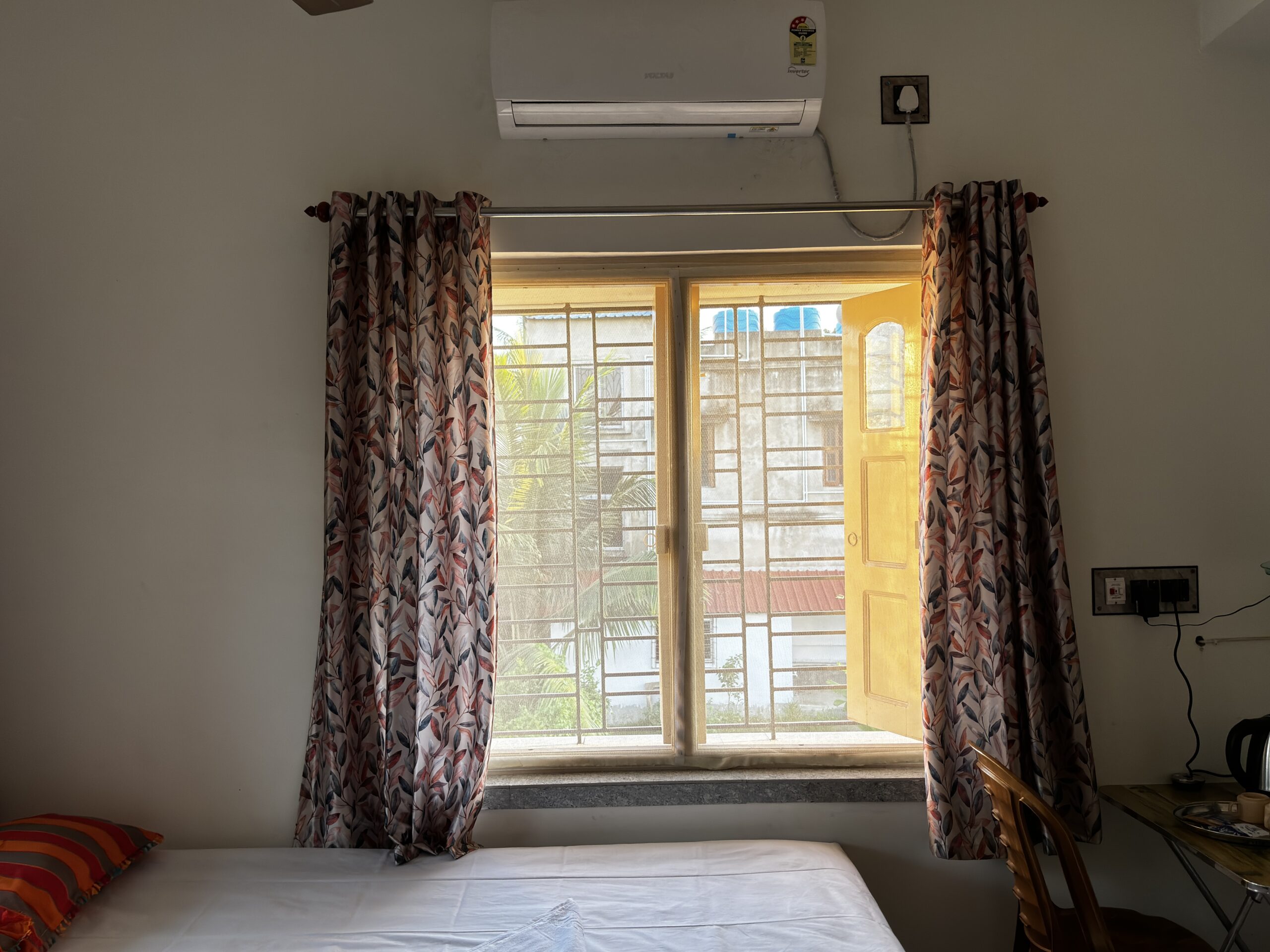
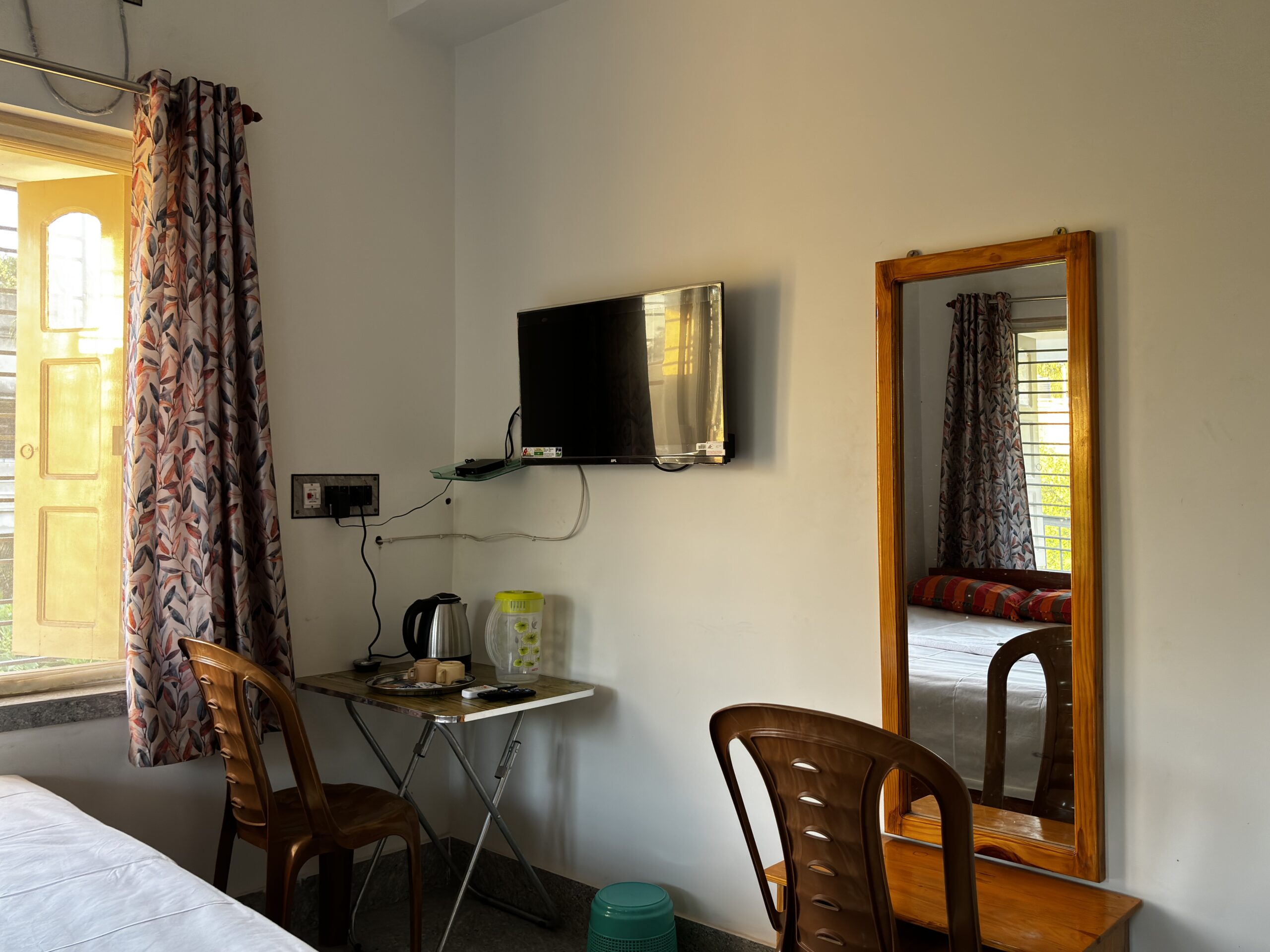

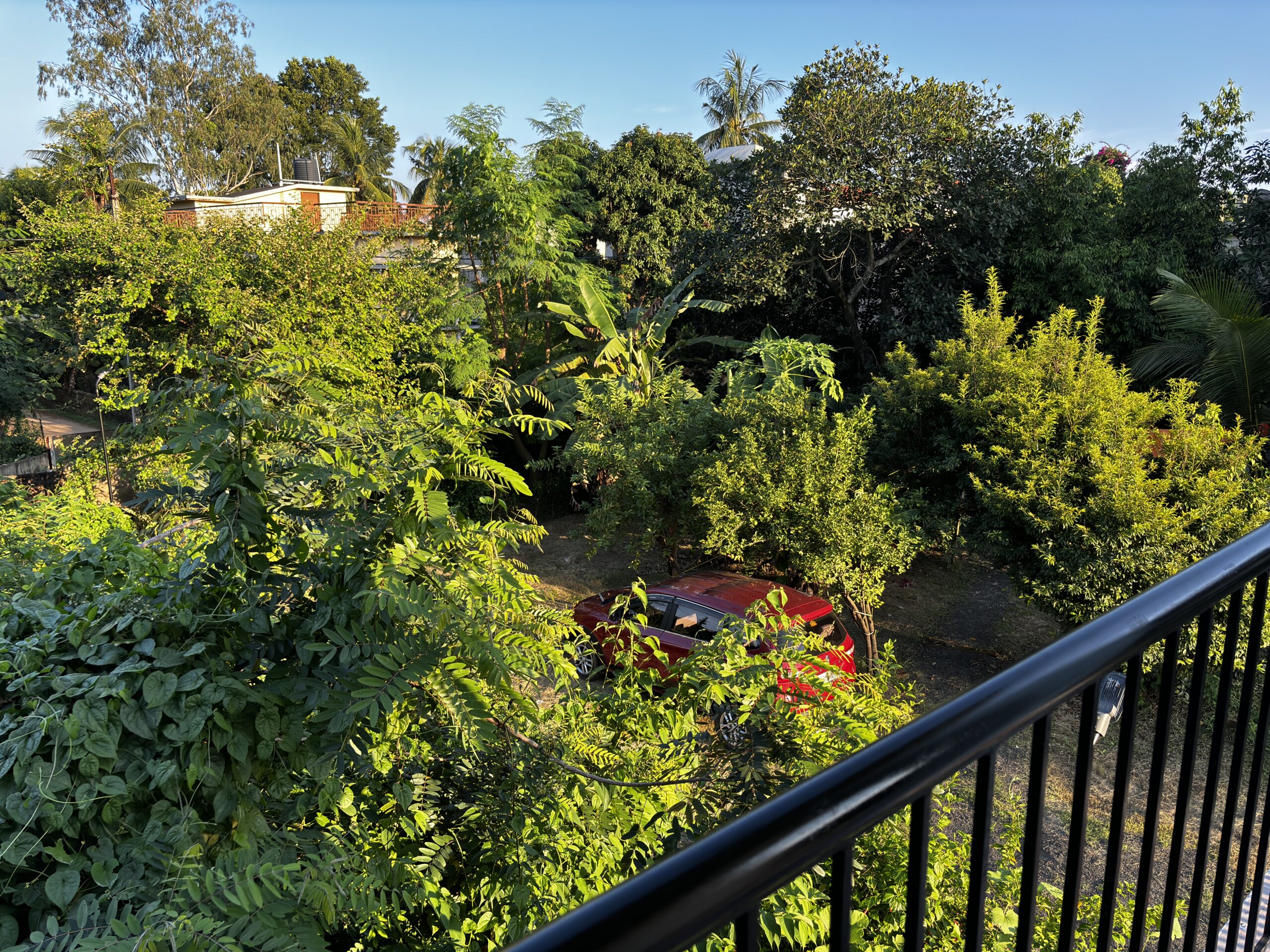
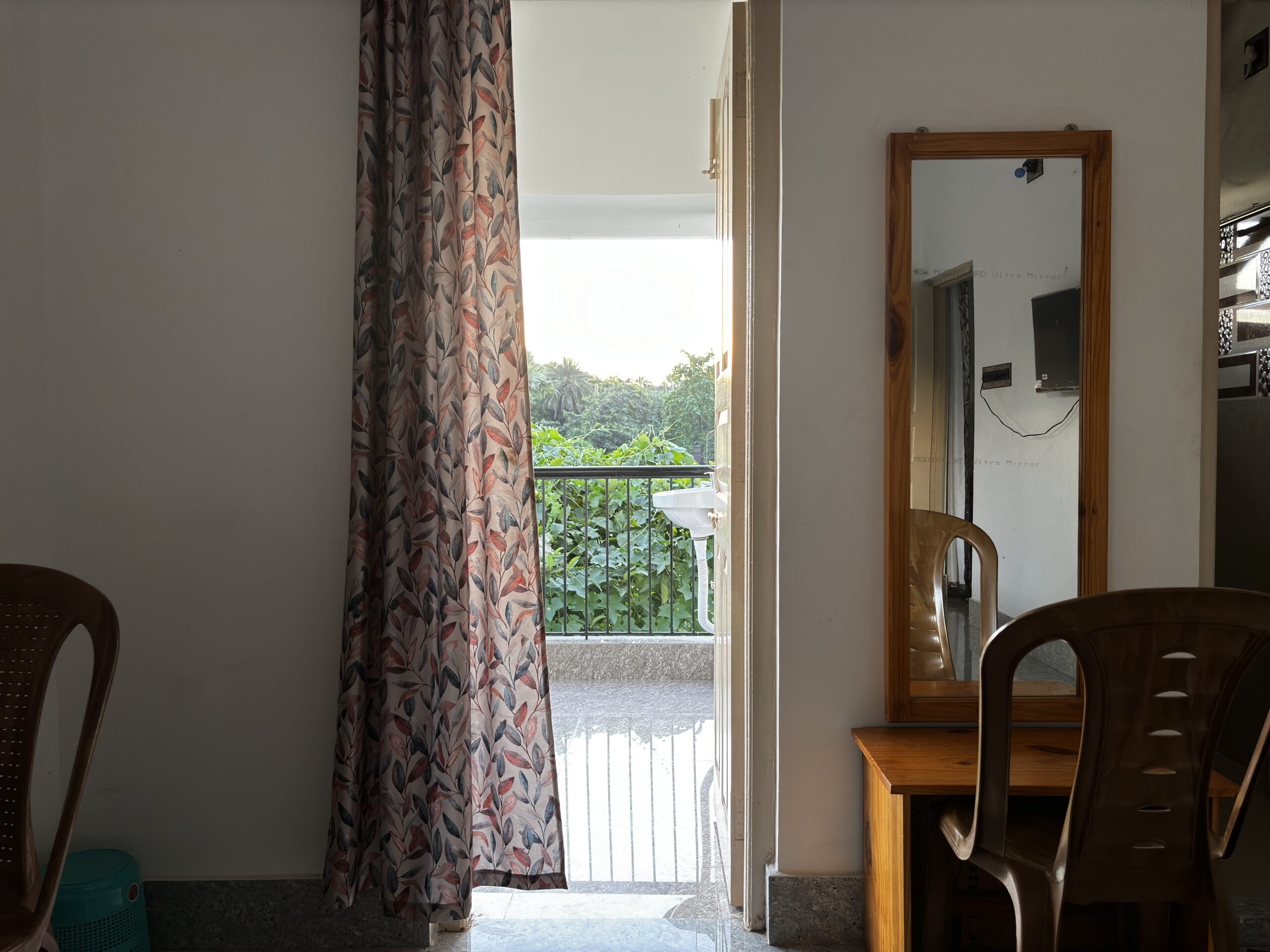
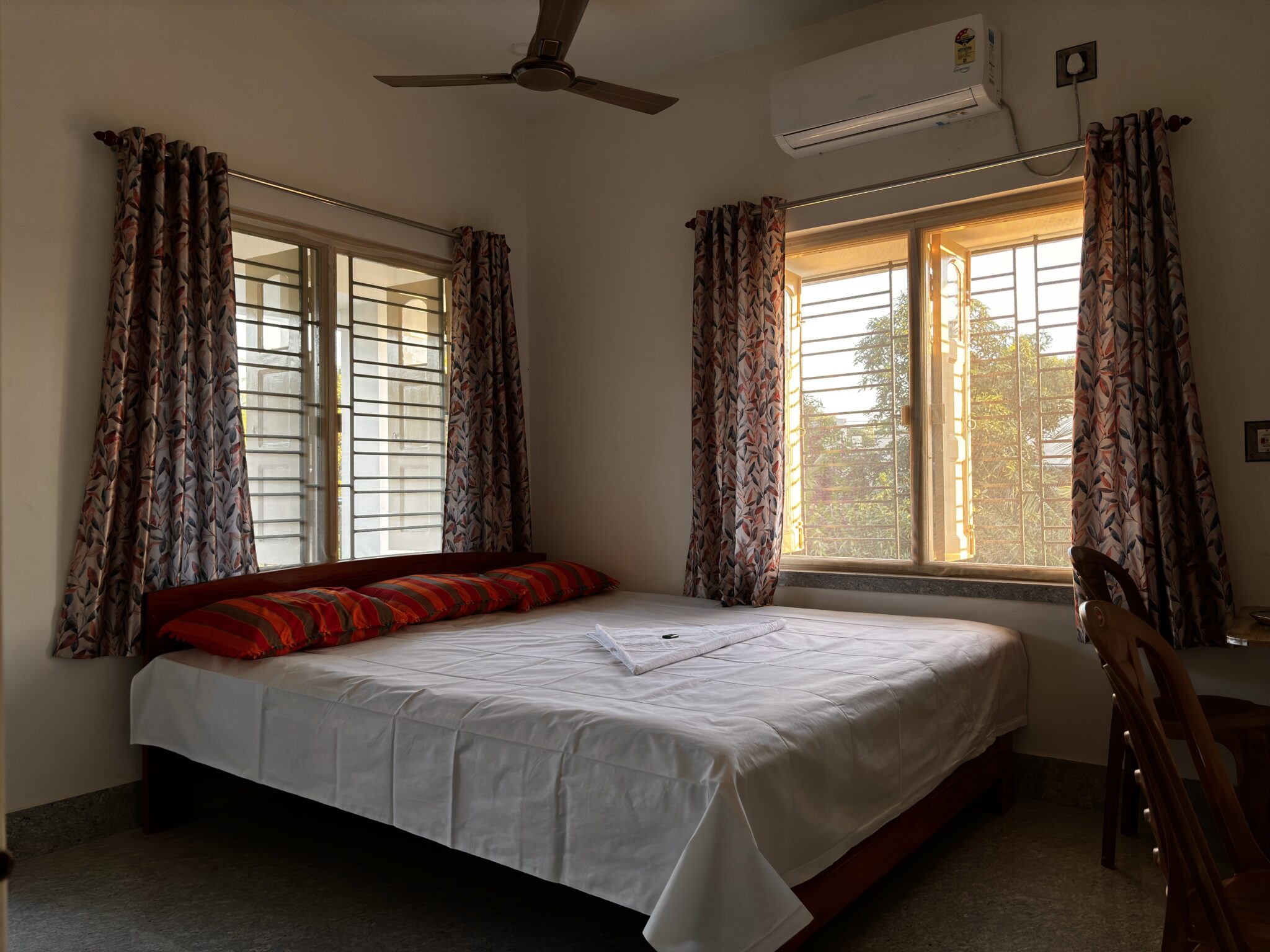
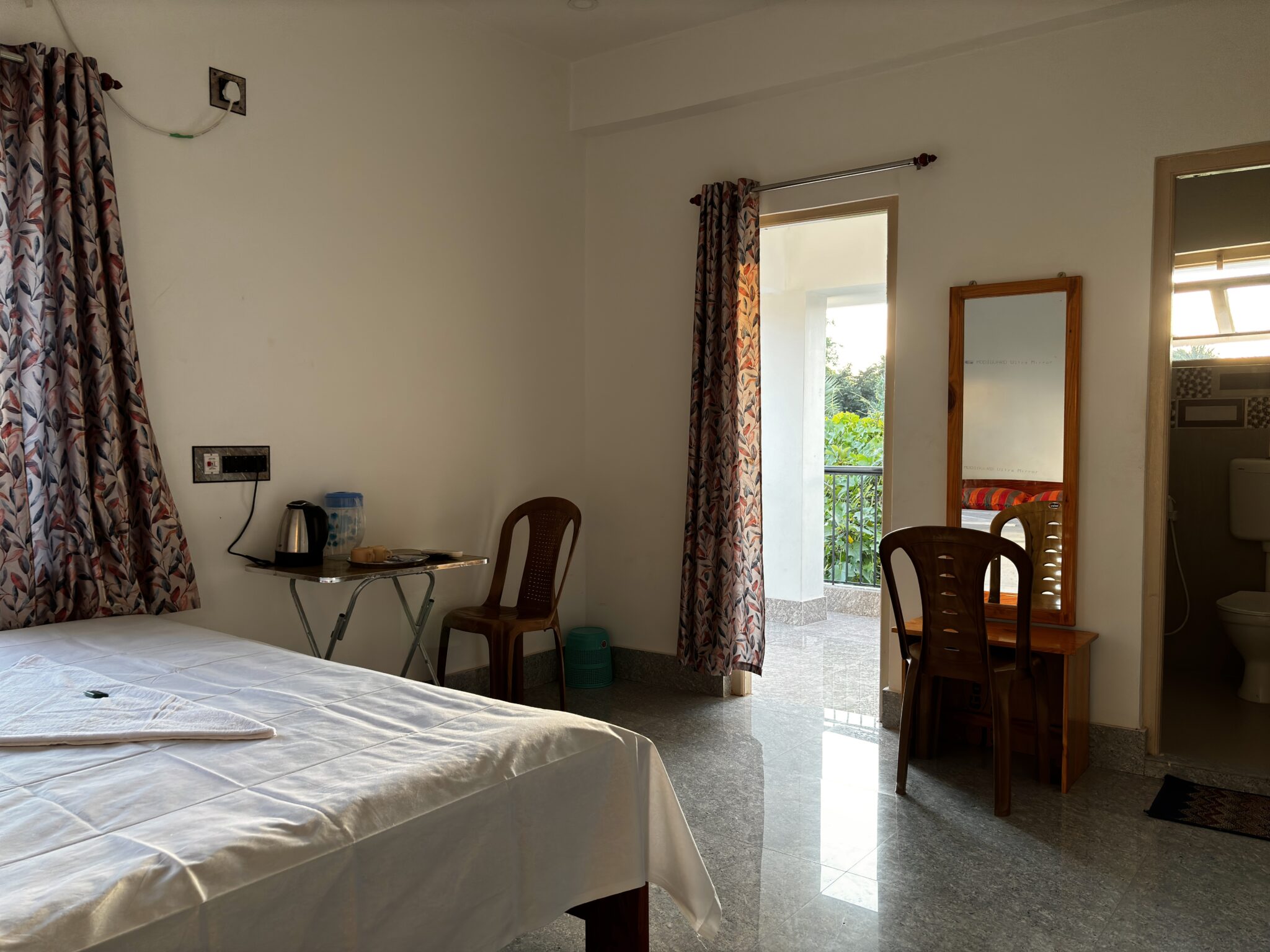
AC Rooms
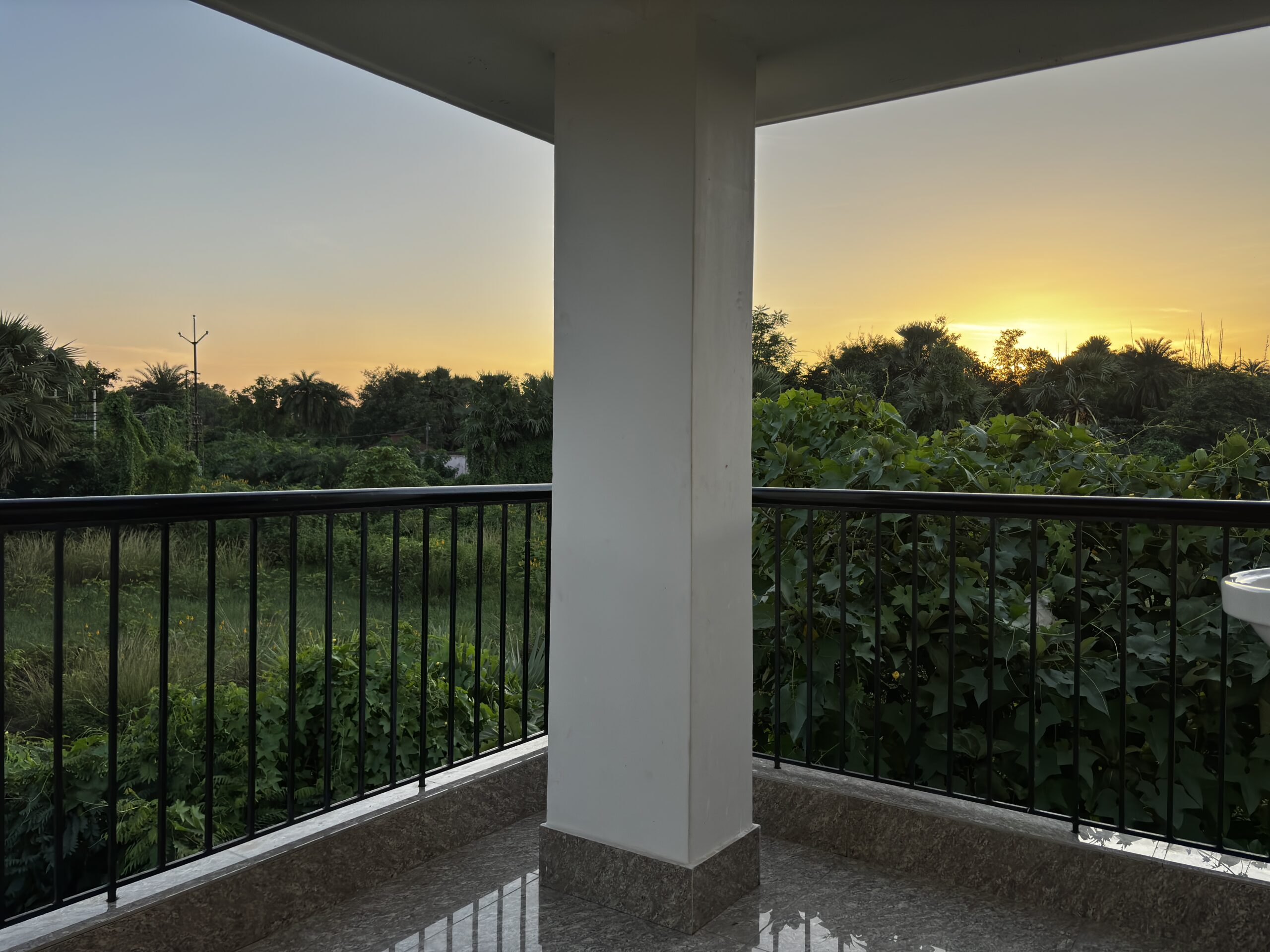
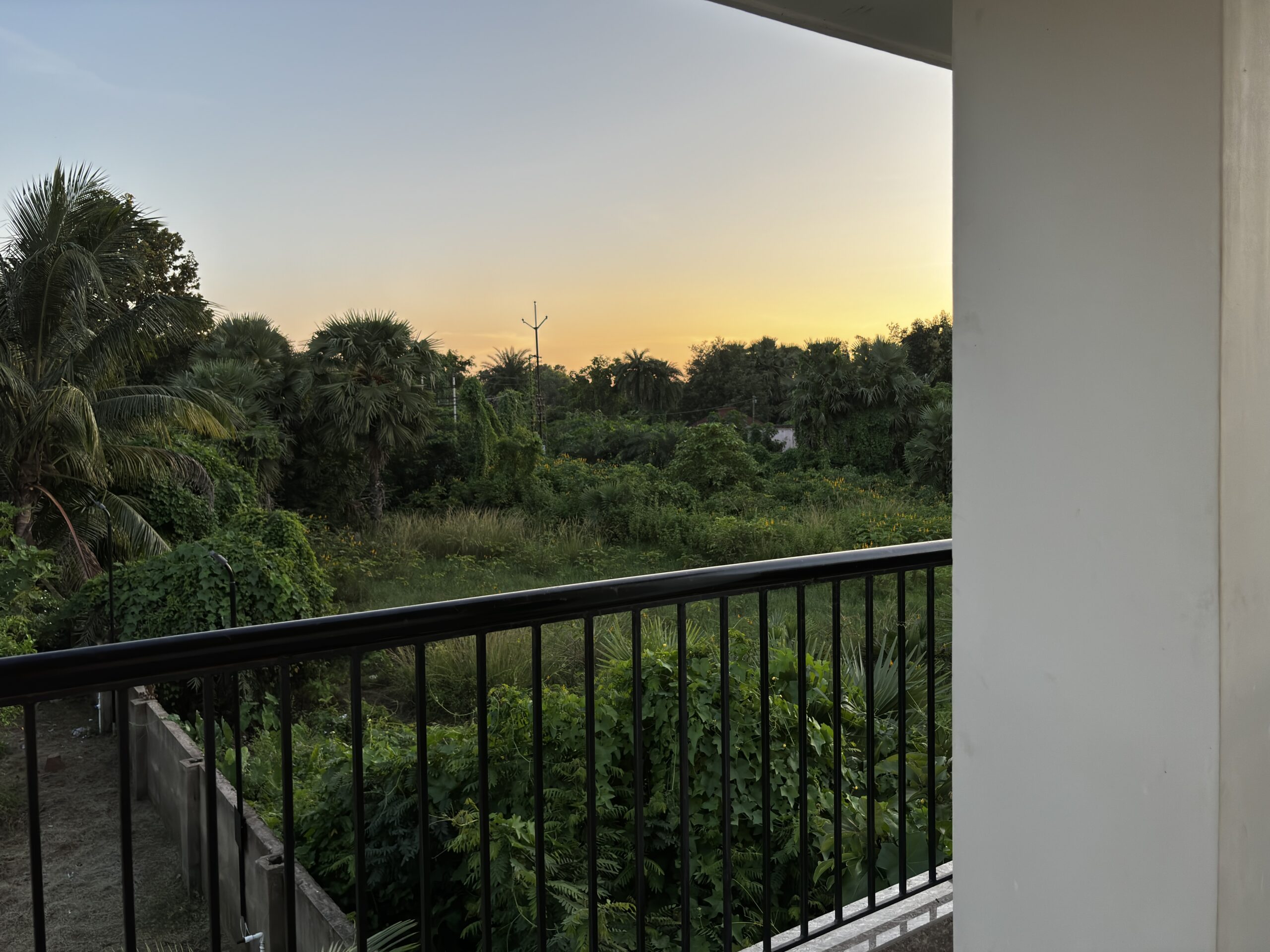
Our air-conditioned rooms are designed to give you a restful stay amidst Santiniketan’s peaceful surroundings.
Air conditioning
King Size Bed
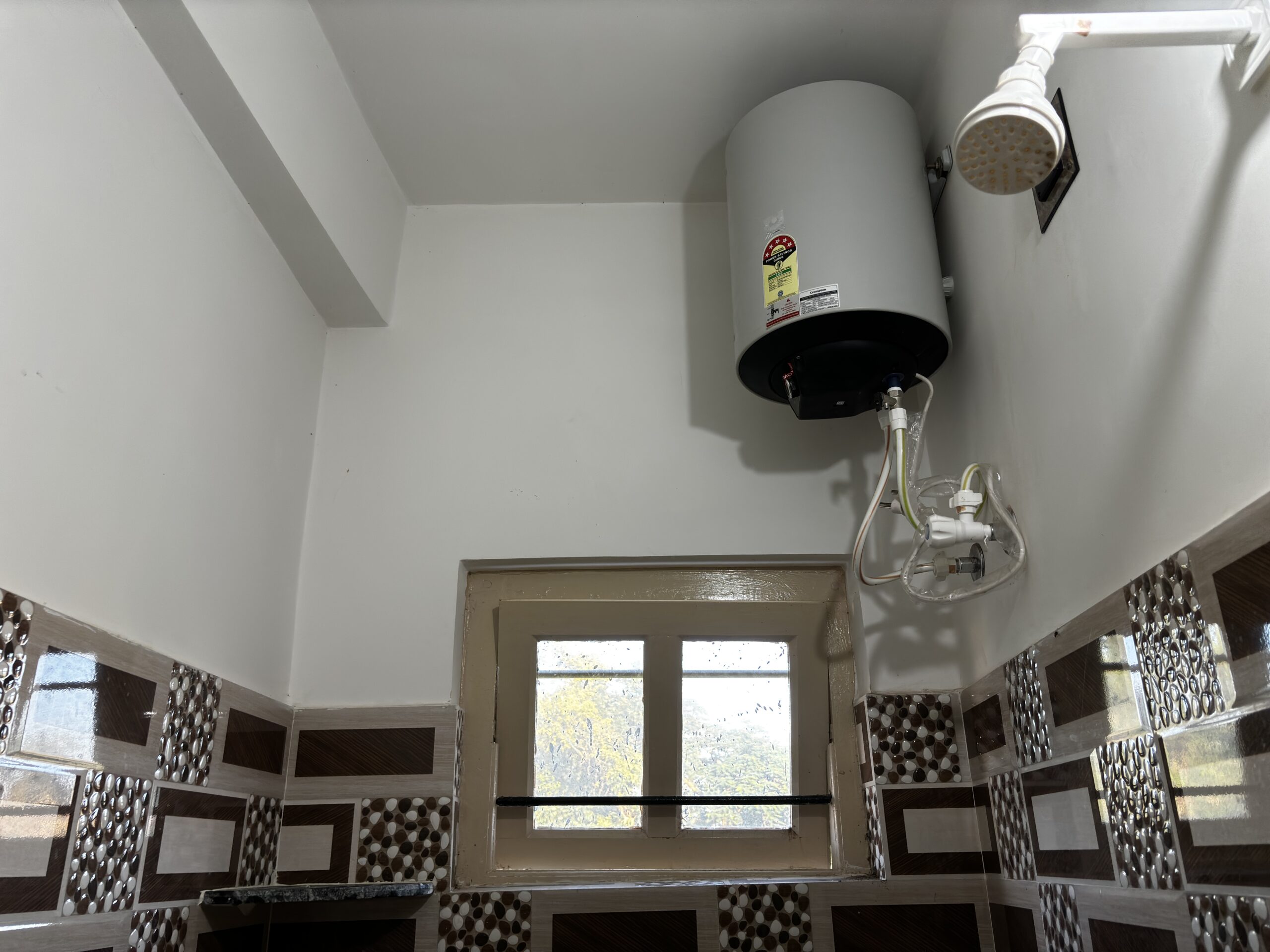
Hot and cold water
Free Wi-Fi access
Filtered water
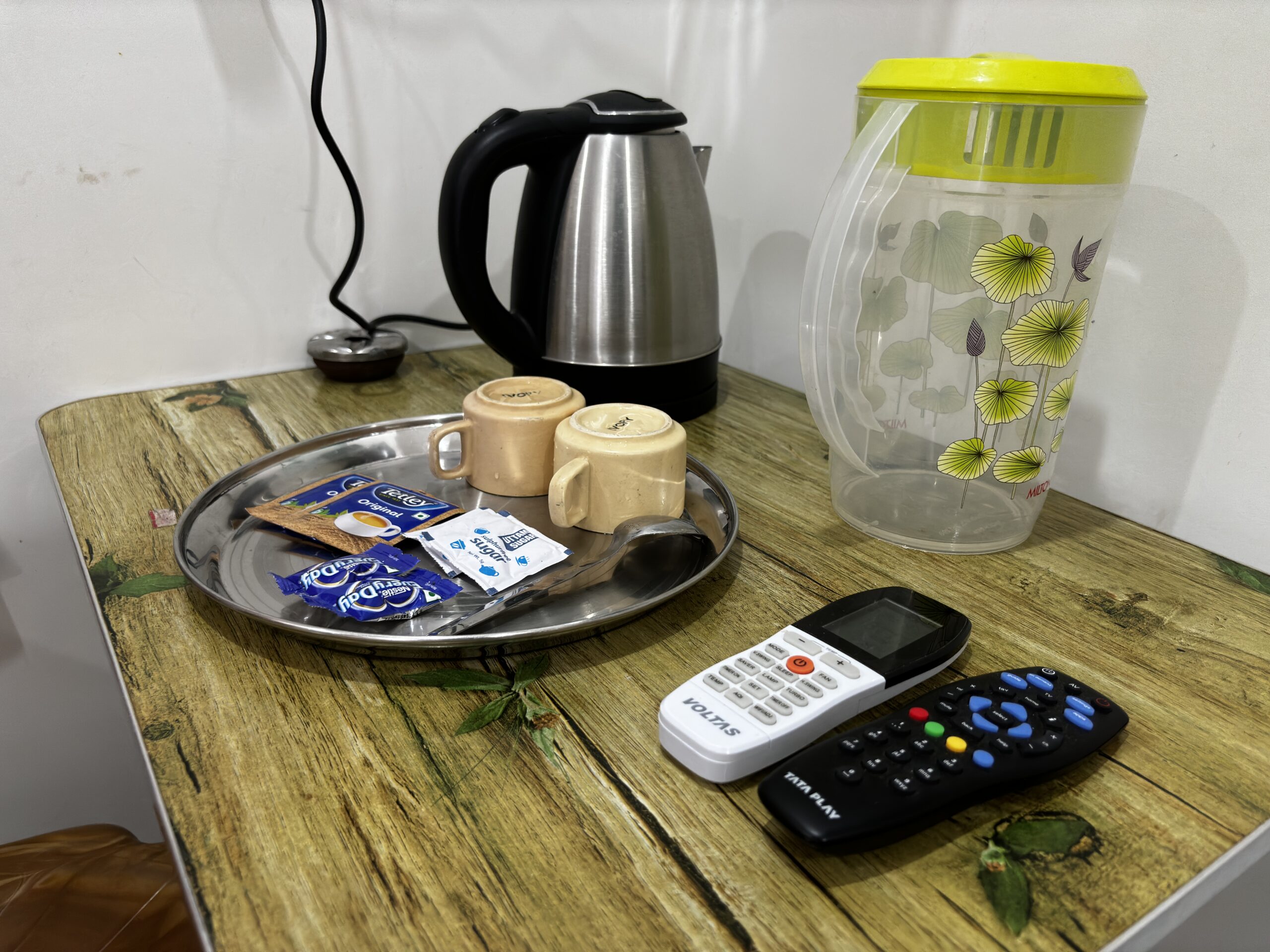
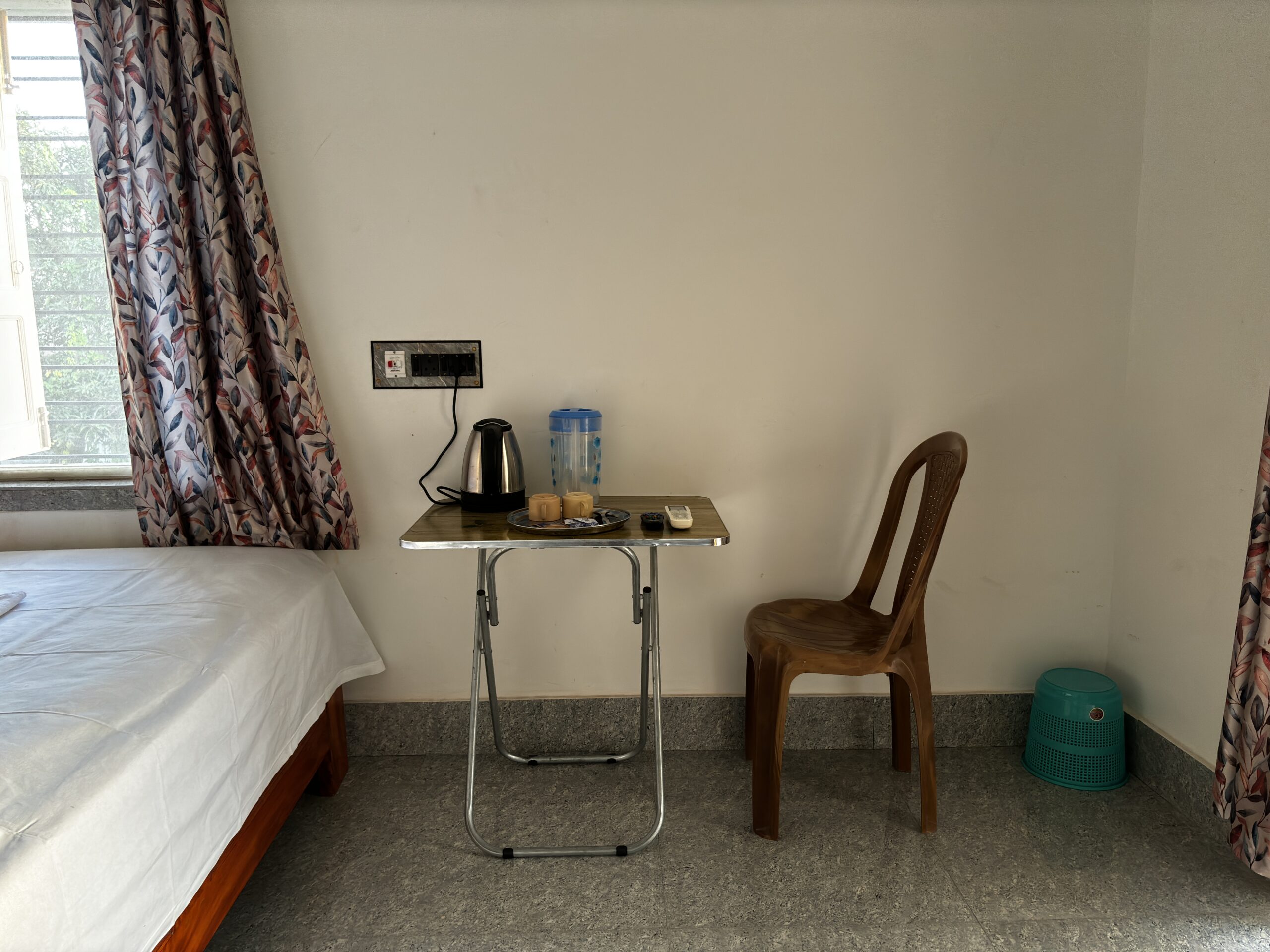
Complimentary tea setup
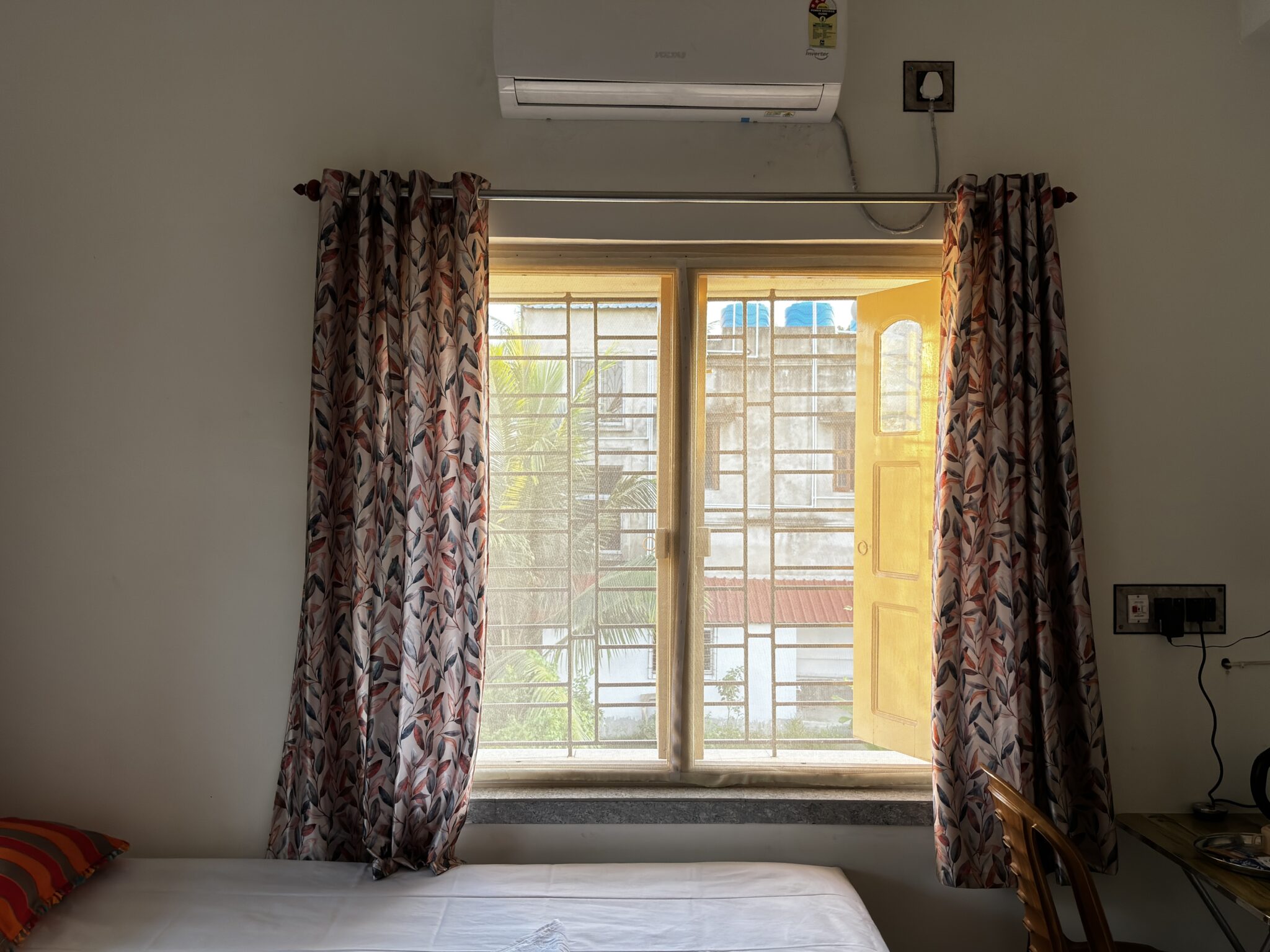
Mosquito-netted windows
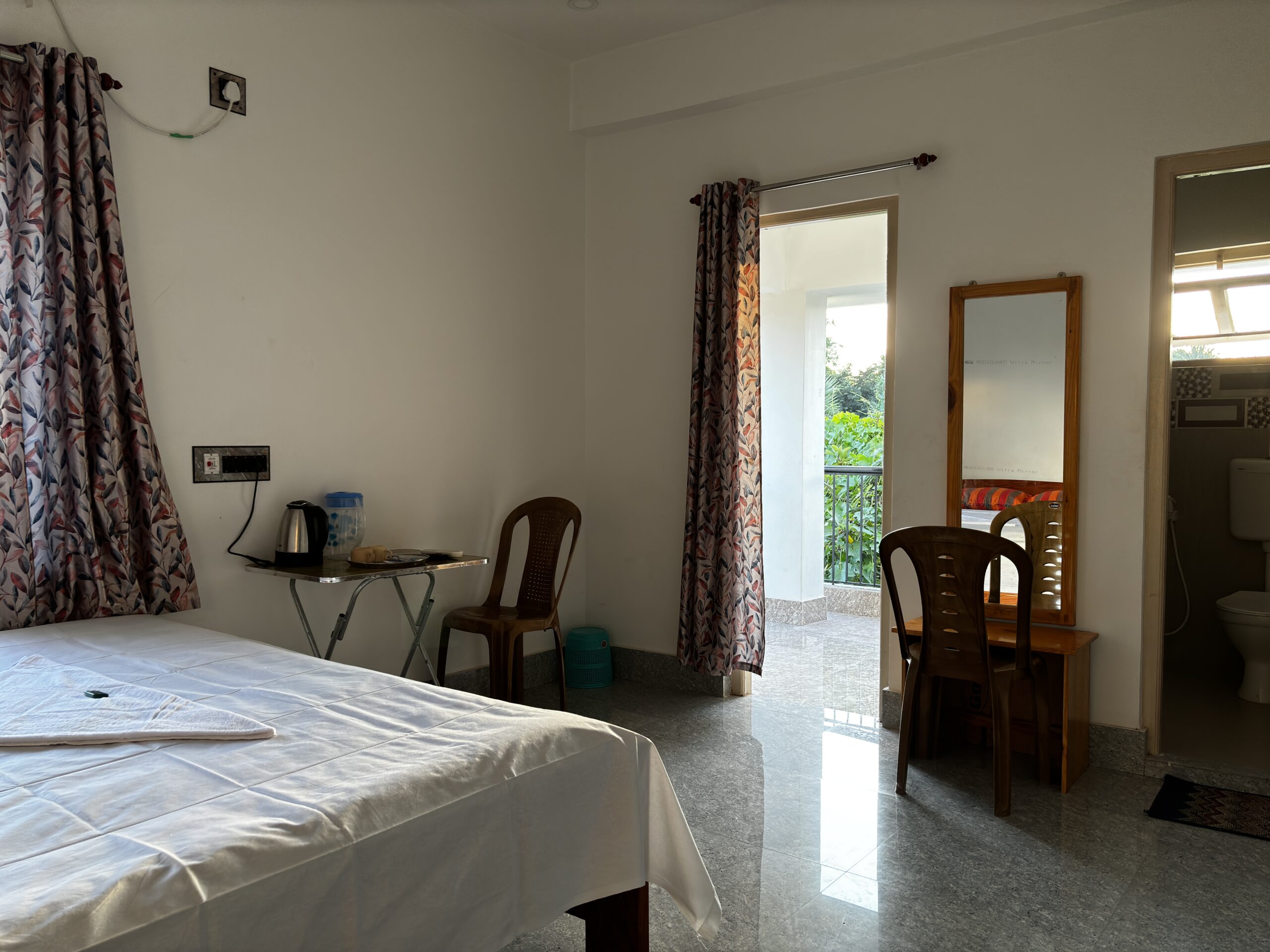
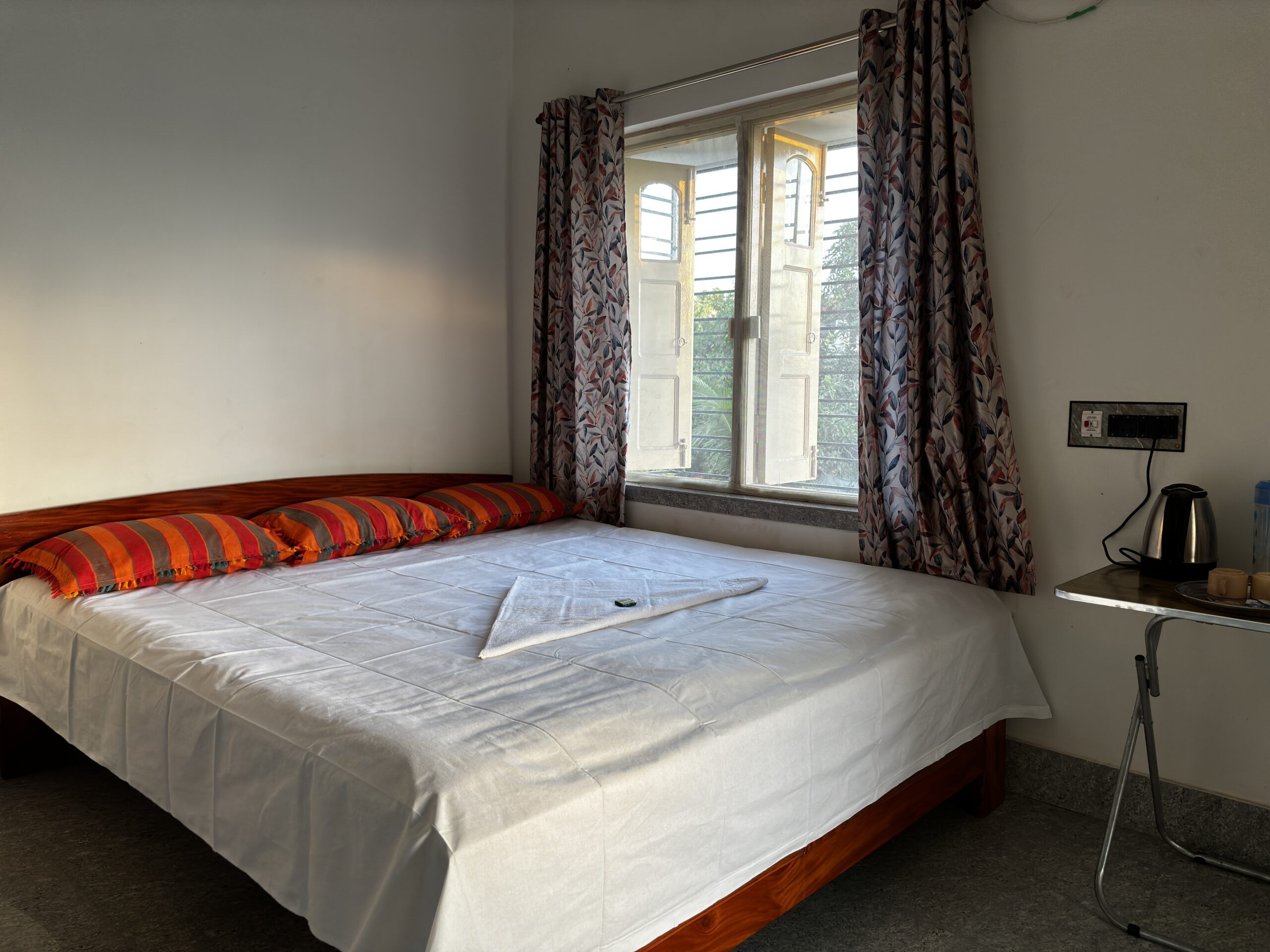
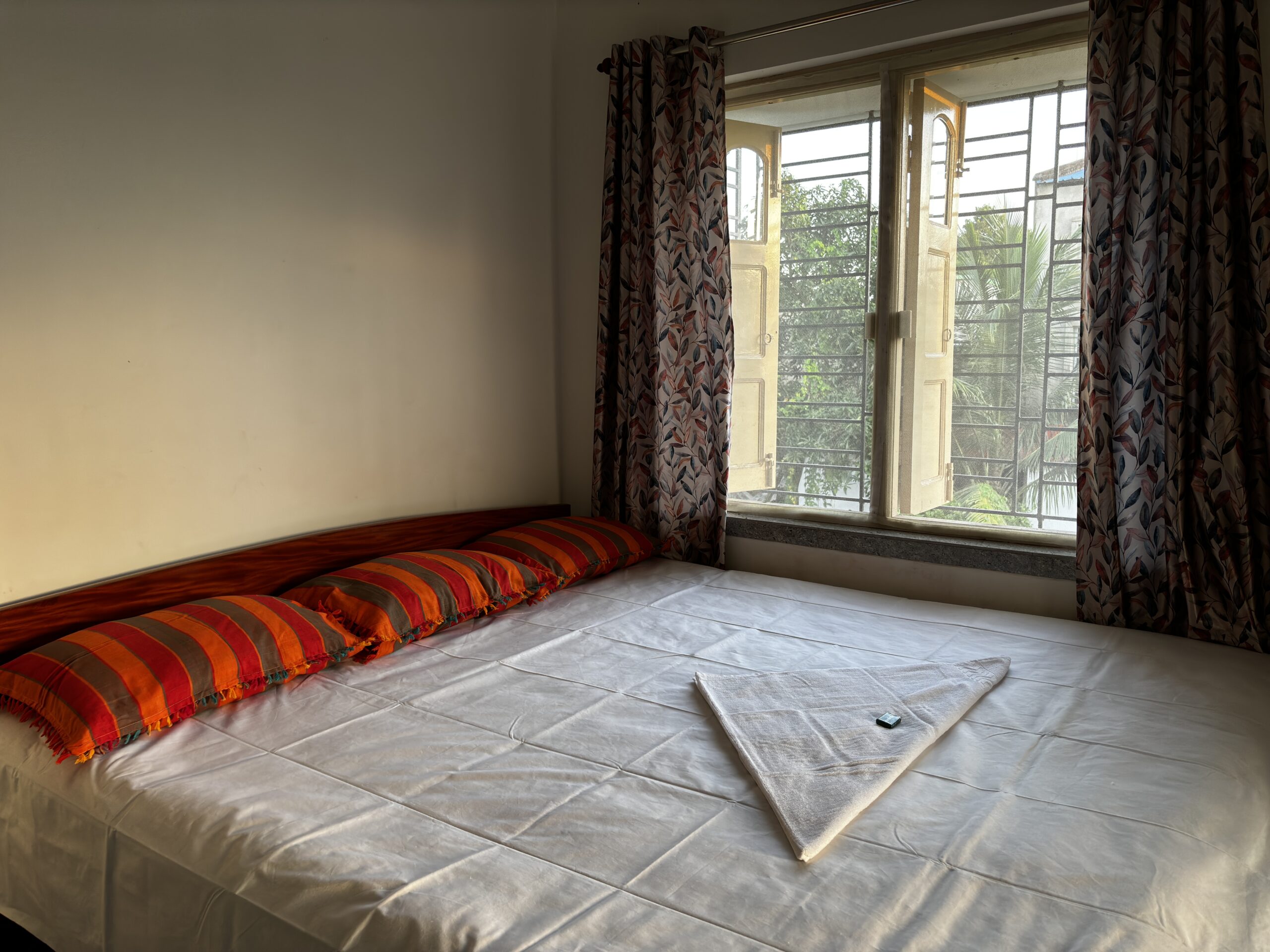



Non AC Rooms
Our non-AC rooms offer simple comfort and a cozy stay in Santiniketan’s calm and natural atmosphere.
No air conditioning
King Size Bed
Hot and cold water
Free Wi-Fi access
Filtered water
Complimentary tea setup
Mosquito-netted windows
What this place offers
Free parking inside premises
Paid side seeing services
Paid drivers food and lodging
Community centre
Things you must know
Know your host
A Bengali home has a special warmth when it comes to hosting. Hospitality is not seen as work but as a way of showing love and respect. Guests are never treated as outsiders; they become part of the family’s daily flow. The joy often comes through adda — long, lively chats about culture, stories, or poetry. Visitors are easily drawn into these talks, feeling welcomed and included. This creates an instant bond and makes every guest feel at home.

Nearby Attractions
Where you’ll be
Santiniketan, Birbhum, West Bengal
Rules & Guidelines
– Check-in time is 12:00 PM onwards.
– Check-out time is 11:00 AM. Early check-in or late check-out depends on availability and prior approval.
– All guests must present a valid government photo ID at check-in. Foreign nationals must show passport and visa.
– Please maintain peace. Loud music or disruptive behavior is not allowed.
– Keep rooms and common areas clean.
– Only registered guests may stay overnight. Visitors are allowed during the day but must leave by 9:00 PM.
– Complimentary breakfast may be provided if applicable. Use of kitchen is allowed only with permission and must be cleaned after use. Outside food delivery is permitted.
– Keep valuables safe. The guest house is not responsible for loss or theft.
Food Options
Breakfast
Luchi / Parota with Aloo Dum
Roti with Sabzi
Poha / Upma (optional light item)
Boiled Egg / Omelette
Tea / Coffee
Lunch
Steamed Rice
Dal (Moong / Masoor)
Seasonal Vegetable Curry (Alu Potol / Alu Begun / Mixed Sabzi)
Fish Curry (Rohu / Katla) or Egg Curry (Veg option: Paneer Curry)
Chutney / Papad
Dinner
Rice or Roti
Dal
Seasonal Sabzi
Chicken Curry (Veg option: Paneer / Chholar Dal with Veg Curry)Z
Salad
Visva-Bharati University
Founded in 1921 by Rabindranath Tagore, Visva-Bharati is not only a university but a vision of education rooted in freedom, creativity, and harmony with nature. Here, classrooms are often held beneath trees in the open air, following Tagore’s belief that learning should not be confined within walls. The institution is renowned worldwide for its departments of art, music, literature, and social sciences, attracting students and scholars from across the globe. Beyond academics, the campus comes alive with festivals like Poush Mela and Basanta Utsav, where traditions of music, dance, and cultural exchange flourish. Walking through its grounds, one feels both the simplicity of rural Bengal and the universal spirit of knowledge and creativity that Tagore dreamed of.
Rabindra Museum
The Rabindra Bhavana Museum, established in 1942, is the cultural archive of Rabindranath Tagore’s life and work. It preserves his handwritten manuscripts, letters, paintings, photographs, and personal belongings, including the Nobel Prize medal that brought him global recognition. Walking through its galleries, visitors encounter not only the poet’s creative genius but also intimate glimpses of his personal world. The museum serves as a living memory of Tagore in Santiniketan, allowing admirers to connect deeply with his vision and legacy.
Kala Bhavana
Kala Bhavana, the fine arts institute of Visva-Bharati, is one of the most respected art schools in India. Established under Rabindranath Tagore’s vision, it became the cradle of modern Indian art, where creativity was nurtured outside the boundaries of conventional training. The campus itself feels like a living museum, decorated with striking murals, sculptures, and open-air installations. Legendary artists such as Nandalal Bose, Ramkinkar Baij, and Binode Behari Mukherjee shaped its philosophy, leaving behind an artistic legacy that continues to inspire students and visitors alike.
Upasana Griha
Upasana Griha, also known as the Glass Temple, is one of the most iconic landmarks of Santiniketan. Built in 1863 by Debendranath Tagore, the father of Rabindranath Tagore, it was conceived as a space for prayer and meditation in harmony with nature. The structure is made of Belgian glass set in marble, and when lit up in the evening, it glows like a jewel, creating a serene and spiritual ambiance. Unlike traditional temples, Upasana Griha reflects the philosophy of the Brahmo Samaj, emphasizing prayer without rituals and devotion without boundaries of religion. Surrounded by lush greenery and open skies, it remains a place of quiet contemplation, echoing Tagore’s vision of universal spirituality and inner peace.
Chhatimtala
Chhatimtala is one of the most peaceful and sacred corners of Santiniketan, surrounded by the quiet shade of chhatim trees. It was here that Debendranath Tagore, father of Rabindranath, used to sit in deep meditation, finding inspiration and spiritual calm in nature. This simple spot later became a symbol of the ideals that shaped Santiniketan—peace, reflection, and harmony between man and the environment. Today, it holds special significance for Visva-Bharati University, as students gather here for the convocation ceremony, carrying forward the tradition of seeking wisdom in simplicity. The stillness of Chhatimtala continues to attract visitors, offering a moment of rest and contemplation amidst the cultural vibrancy of Santiniketan.
Amar Kutir
Amar Kutir is a cooperative society and handicraft center that has become synonymous with the promotion of Bengal’s rural artistry. Originally associated with the independence movement, Amar Kutir was once a shelter for freedom fighters. Over the years, it transformed into a hub for reviving and supporting traditional crafts of the region. Visitors can explore its workshops and stores, where artisans produce and sell items like leather goods, batik prints, kantha-stitched textiles, dokra (metal crafts), and bamboo works. Each piece reflects Bengal’s craftsmanship and cultural heritage. Beyond being a shopping destination, Amar Kutir also plays a crucial role in sustaining livelihoods for local artisans and keeping indigenous crafts alive in modern times.
Deer Park
Located on the outskirts of Santiniketan, the Ballavpur Wildlife Sanctuary—popularly known as the Deer Park—is a haven for nature lovers. Spread across acres of sal forest, it is home to large herds of graceful spotted deer that roam freely, creating a picturesque and peaceful setting. The sanctuary also attracts a wide variety of migratory birds, making it a favorite spot for birdwatchers and photographers. Small water bodies within the park reflect the surrounding greenery, adding to its calm atmosphere. Whether for a quiet morning walk, a family outing, or simply to experience the harmony of wildlife and forest, the Deer Park offers a refreshing escape from the bustle of daily life in Santiniketan.
Sonajhuri Haat
Sonajhuri Haat, often called the Khoai Mela, is one of the most vibrant cultural gatherings in Santiniketan. Held every Saturday in the scenic Sonajhuri forest area, this open-air market brings together local artisans, craftsmen, and performers who display and sell their unique handmade products. From dokra jewelry, terracotta items, handloom sarees, and leather goods to folk paintings and musical instruments, the market reflects the rich creative heritage of Bengal. Adding to its charm, Baul singers and local folk musicians perform live, filling the air with soulful music that perfectly blends with the natural red soil landscape. The atmosphere here is both rustic and festive, offering visitors an authentic experience of Santiniketan’s cultural heartbeat.
Srijani Shilpagram
Srijani Shilpagram, developed by the Eastern Zonal Cultural Centre (EZCC), is a cultural complex designed to showcase and preserve the art, craft, and architecture of Eastern India. Spread over several acres, the site features life-size huts and replicas of traditional houses built in the architectural styles of Bengal, Assam, Odisha, Bihar, and other neighboring regions, giving visitors a glimpse into the rural life of different communities. Inside the complex, artisans often demonstrate their crafts, while exhibitions and workshops are organized to promote indigenous art forms. The campus also hosts folk performances, fairs, and festivals that celebrate the diversity of eastern India’s traditions. With its blend of education, preservation, and cultural exchange, Srijani Shilpagram serves as a living museum of eastern India’s artistic and cultural identity.